

By Frans Sello waga Machate
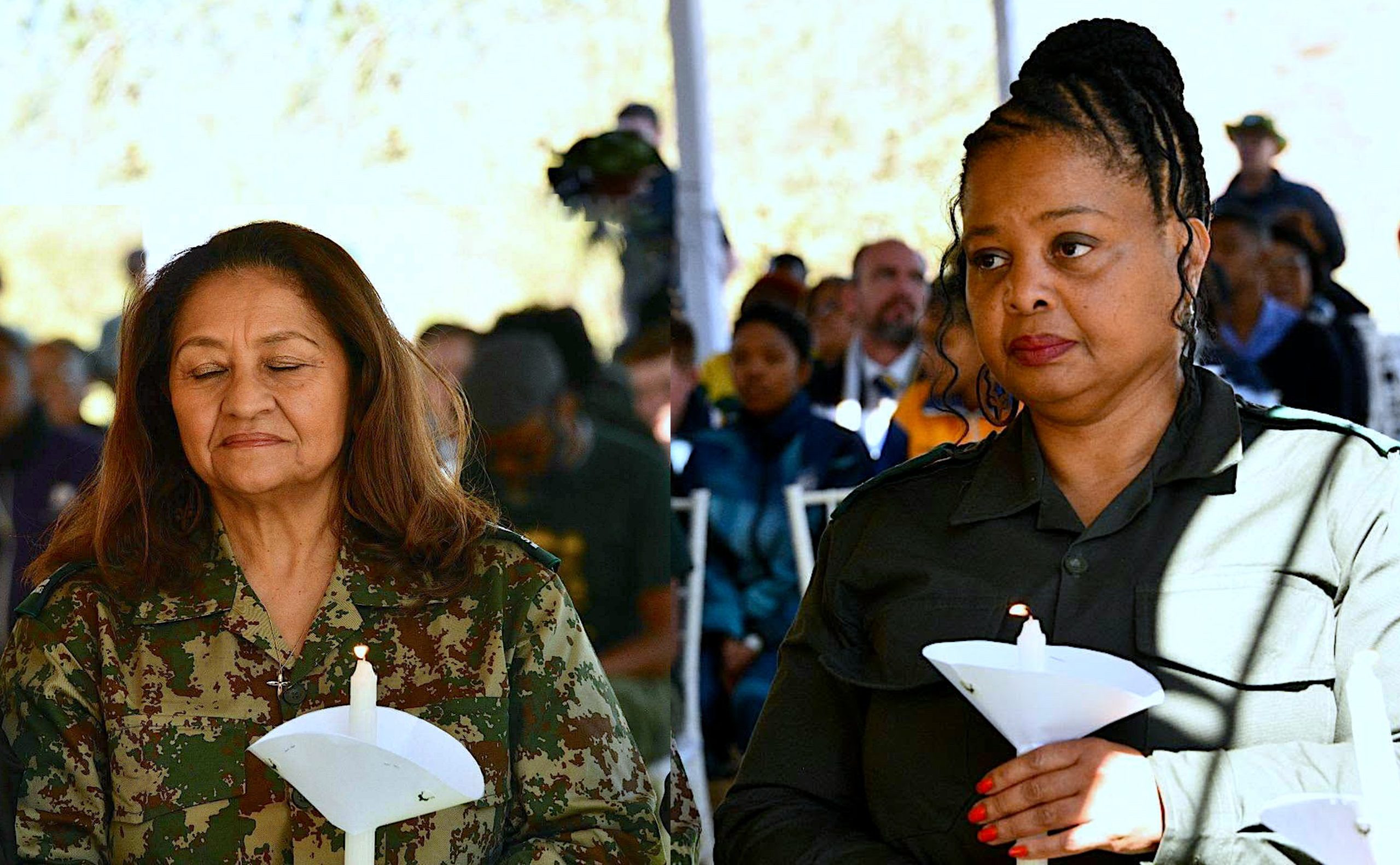
Augrabies Falls National Park, NORTHERN CAPE — When the candles were lit under the red rock cliffs of Augrabies Falls National Park on Friday, 31 July, they honoured not only the five South African rangers who have lost their lives in the line of duty this year, but also the thousands who continue to risk their lives daily in a war that most South Africans never see.
World Ranger Day 2026 marked the 20th anniversary of the global observance, held this year under the theme “Rangers: Guardians of a Changing Planet — A Legacy of Courage, Service and Stewardship.” But for the men and women who patrol South Africa’s national parks, it was far more than a ceremonial occasion, it was a stark reminder of the expanding dangers and evolving responsibilities they face in an increasingly complex conservation landscape.

Speaking at the national commemoration at Augrabies Falls National Park, Minister of Forestry, Fisheries and the Environment David Maynier painted a vivid picture of the modern ranger, a far cry from the traditional image of a lone figure walking a patrol path.
“Rangers today work in a world shaped by climate variability, biodiversity pressures, environmental crime, changing land-use patterns and complex social and economic realities,” Maynier said, adding that the challenges they face were “often interconnected and constantly evolving.”
He said modern rangers were no longer limited to traditional protection duties, but also contributed to ecosystem management, biodiversity monitoring, visitor safety, environmental education, and engagement with communities surrounding protected areas. Maynier described rangers as “a bridge between people and nature” and said that “a modern ranger is a conservation professional.”
The minister’s remarks underscored a fundamental shift in conservation practice. Today’s rangers are first responders to floods, heatwaves and wildfires intensified by climate change. They collect critical scientific data, remove snares, monitor endangered species, restore habitats affected by environmental threats, and increasingly serve as mediators between parks and neighbouring communities.
The statistics presented at the commemoration painted a sobering picture. Five field rangers have been killed in South Africa so far this year, while 73 others have died in countries around the world. Between January and June 2026, SANParks recorded 23 cases of injury while on duty.
One field ranger from Marakele National Park died in a motor vehicle accident while on duty. Others have fallen in shootouts with poachers, in confrontations with armed criminal syndicates, and in the unforgiving terrain they are sworn to protect.
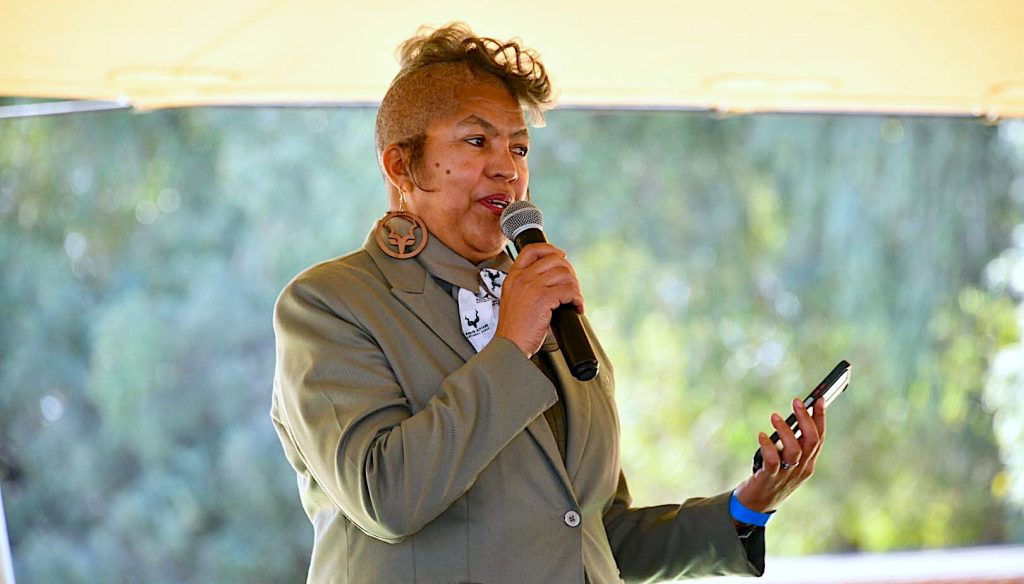
Angela Isaks, SANParks Arid Region Manager, said there had been a shift in poaching patterns, with criminals now focusing on plants. “This is becoming a growing conservation concern. Although it differs from rhino poaching, the principle is exactly the same, it involves the illegal exploitation of our natural heritage for profit,” she said.
“To sum it up, our biggest challenge in the Arid Region is the poaching of succulents and other small indigenous plants, many of which are illegally exported to markets in the East.”
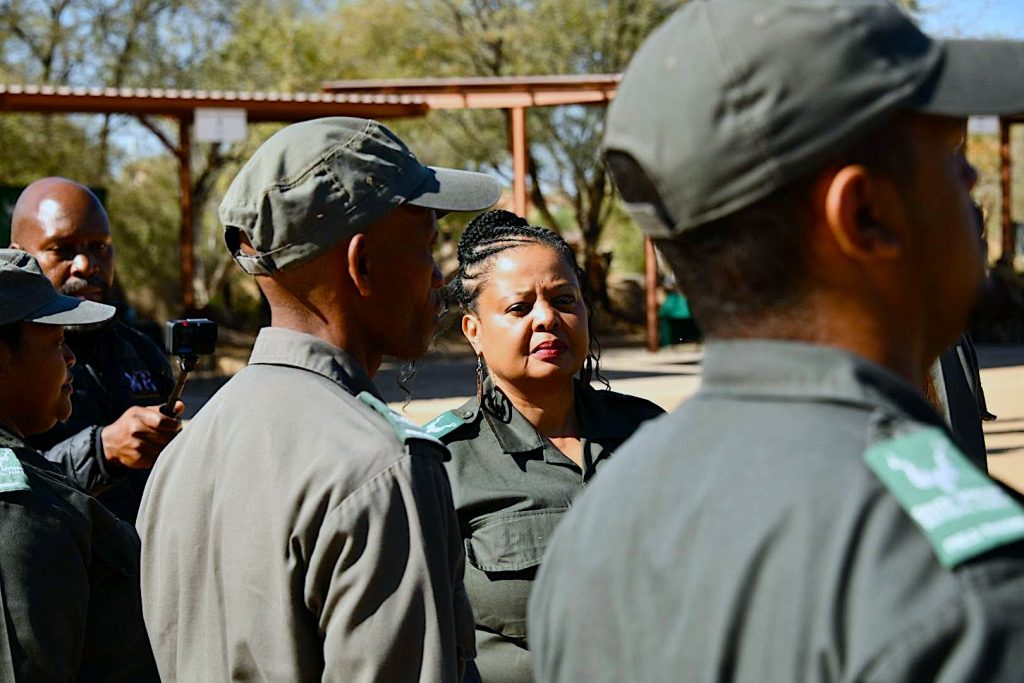
Field ranger Lehlogonolo Mokopelo, based at Augrabies Falls National Park, confirmed the daily dangers. “We face extreme temperatures, intense pressure, whether it’s during patrols, while dealing with guests, or because of weather conditions. But you must always show up and do your duty, no matter what,” she said.
She also spoke of the additional challenges faced by women in a field traditionally dominated by men. “Because I am a woman, people sometimes go easy on me. That is a challenge I often face. It means I have to be ready to work even harder. This industry is not easy. You have to fight and put in extra effort. No matter where you begin, you have to start somewhere.”
Maynier said supporting rangers must go beyond ceremonial recognition and include investment in training, professional development, safety, and well-being. He stressed that South Africa must strengthen the systems and institutions that support field rangers’ work.
“More must be done to encourage young South Africans to pursue careers in conservation,” the minister said, adding that the country needs a new generation of rangers, scientists and environmental managers who are committed to protecting the nation’s natural heritage for future generations.
“The work you do is not always visible to the broader public, but its impact is felt every day,” Maynier told the rangers.
He also emphasised that environmental crime in South Africa is far worse than reported, underscoring the critical need for robust support systems for those on the frontlines.
Maynier’s call to action was clear: “As we commemorate twenty years of World Ranger Day, let us honour the past, celebrate the present and commit ourselves to building a stronger future for the ranger profession. We must never forget those who fell in the line of duty. We must continue supporting those who serve today. We must inspire those who will carry this responsibility into the future.”
The 2026 commemoration, which also aligned with the Centenary of Kruger National Park and the 60th anniversary of Augrabies Falls National Park, provided an opportunity to reflect on the remarkable journey of conservation in South Africa while recognizing the dedicated individuals who continue to shape its future.
More than ever, the 2026 World Ranger Day commemoration recognized rangers as the living legacy of a century of conservation. Their responsibilities extend far beyond protecting wildlife. Today’s rangers are conservation professionals who monitor ecosystems, protect threatened species, preserve cultural heritage, build meaningful relationships with neighbouring communities, respond to emerging environmental challenges and inspire future generations to value and protect nature.
As the candles flickered against the ancient rocks of Augrabies Falls, the message was unmistakable – South Africa’s rangers are not merely guardians of parks, they are guardians of the nation’s soul, its biodiversity, and its future.
