

By Frans Sello waga Machate | Polokwane, South Africa
Ambassador highlights more than US$1 billion in Chinese investment in the province and urges businesses to tap into expanded access to Chinese markets
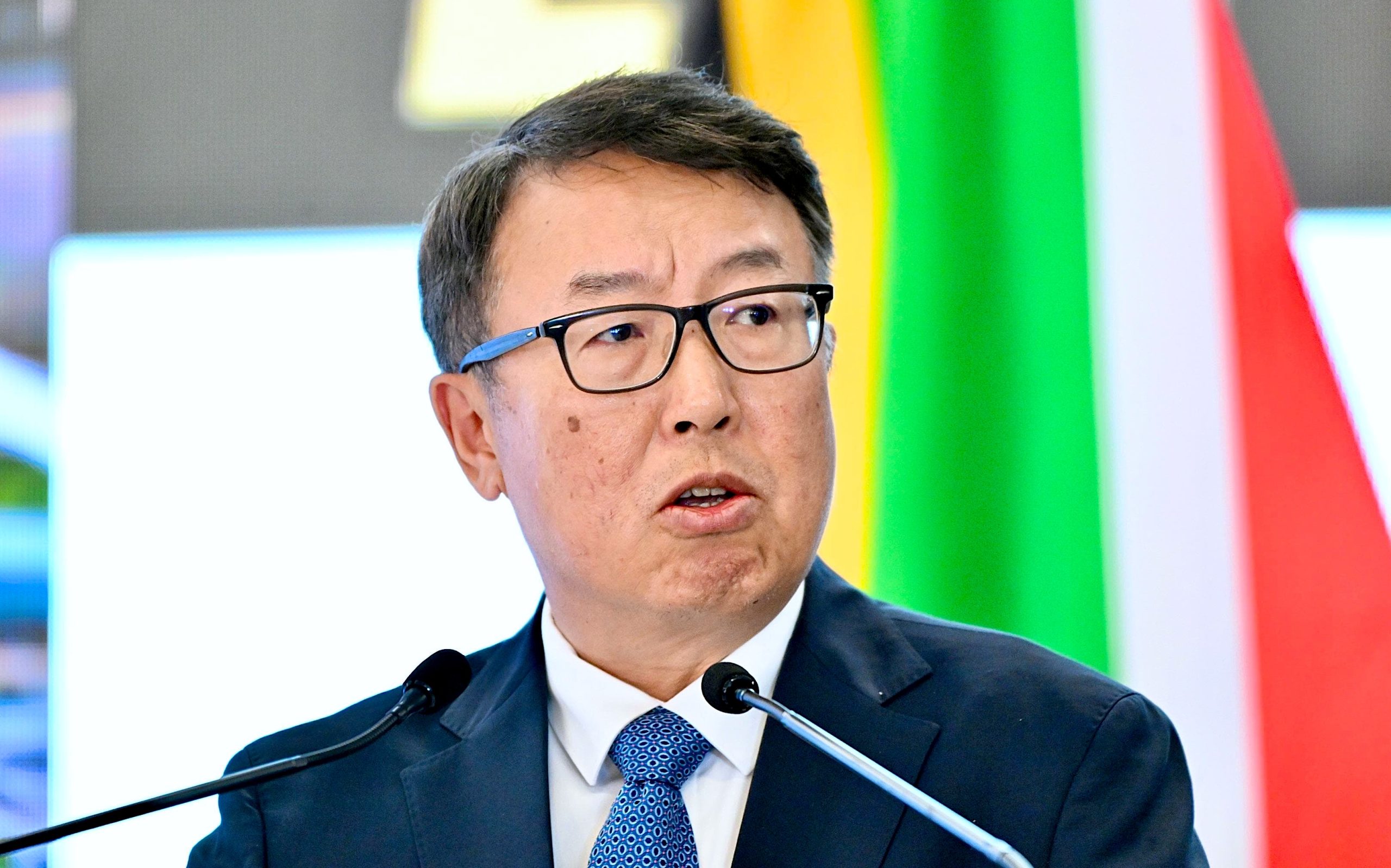
POLOKWANE, South Africa — Chinese Ambassador to South Africa Wu Peng has called for stronger economic cooperation and increased Chinese investment in Limpopo, identifying mining beneficiation, manufacturing, energy, infrastructure and agricultural exports as priority areas for partnerships capable of driving industrialisation and creating jobs.
Addressing the sixth Limpopo Investment Conference at The Ranch Hotel in Polokwane on Thursday, 15 October, Wu said the province’s mineral wealth, agricultural production and strategic geographical position made it an important destination for Chinese investors.
He also highlighted early export growth following China’s implementation of its zero-tariff treatment for African countries with diplomatic relations with Beijing, saying the policy was beginning to create new opportunities for South African businesses seeking access to the Chinese market.
The conference, hosted by the Limpopo Provincial Government under the theme, “From Pledges to Progress: Accelerating Implementation and Unlocking Investment in Limpopo,” brought together government representatives, investors and business leaders to explore ways of converting investment commitments into operational projects.
Wu described Limpopo as a province with considerable economic potential, citing its platinum group metals, chrome and copper resources, as well as its production of high-quality agricultural products, including mangoes, avocados and citrus fruits.
Its borders with Botswana, Zimbabwe and Mozambique also give the province a strategic advantage in regional trade and logistics, he said.
The Ambassador said Chinese companies had established a significant presence in Limpopo through investments in the mining sector.
He cited PMC and SAMANCO as examples of Chinese enterprises that had operated in the province for years, undertaking major mineral projects and investing more than US$1 billion while creating nearly 10,000 direct local jobs.
Wu described these investments as 'practical examples of mutually beneficial cooperation between China and South Africa'.
He said Beijing would continue encouraging Chinese enterprises to expand their investments in Limpopo, including through opportunities offered by the province’s two special economic zones: the Musina-Makhado Special Economic Zone and the Fetakgomo-Tubatse Special Economic Zone.
The Ambassador also called for greater cooperation in energy, manufacturing and infrastructure, with particular emphasis on adding value to South Africa’s mineral resources before export.
His remarks aligned with the broader industrialisation agenda outlined at the conference, where government leaders stressed the need to move beyond exporting raw materials towards developing domestic manufacturing capacity and stronger local value chains.
Wu said China was ready to support efforts to diversify mineral products and increase value addition, arguing that these initiatives could contribute to local industrialisation and deliver greater benefits to surrounding communities.
He also highlighted the potential of modern railway freight corridors, saying Chinese companies had expressed willingness to enter into long-term contracts with operators of such infrastructure.
For Limpopo, improved freight transport could strengthen the movement of minerals and agricultural products, connect producers to regional markets and support the province’s position as a gateway to the Southern African Development Community (SADC).
A key focus of Wu’s address was China’s zero-tariff treatment for African countries maintaining diplomatic relations with Beijing, which he said officially took effect on 1 May 2026.
The policy is intended to improve African exporters’ access to the Chinese market and contribute to a more balanced trade relationship.
Wu said South African export performance had shown encouraging signs since its implementation.
Citing figures from the South African Revenue Service (SARS), he said South Africa’s exports to China totalled US$4 billion between May and July 2026, representing a 31% year-on-year increase.
He also reported that China’s exports to South Africa had increased by 28% over the period, describing the faster growth in South African exports to China as an encouraging development in the bilateral trade relationship.
Wu said higher-value South African exports, including automobiles, magnetic and electronic goods, and chemicals, had registered robust growth.
Agricultural products, including grapefruit, lemons and apples, were also increasingly reaching Chinese consumers.
“The zero-tariff do works,” Wu said, expressing confidence that the policy would help strengthen trade and improve the structure of economic cooperation between the two countries.
He acknowledged the importance of addressing the imbalance in bilateral trade, indicating that China recognised South Africa’s concerns and was taking practical steps to improve export opportunities.
The Ambassador also referred to a South African Reserve Bank report which, according to his account, showed that China had surpassed the European Union as a whole to become South Africa’s largest trading partner in the second quarter of 2026.
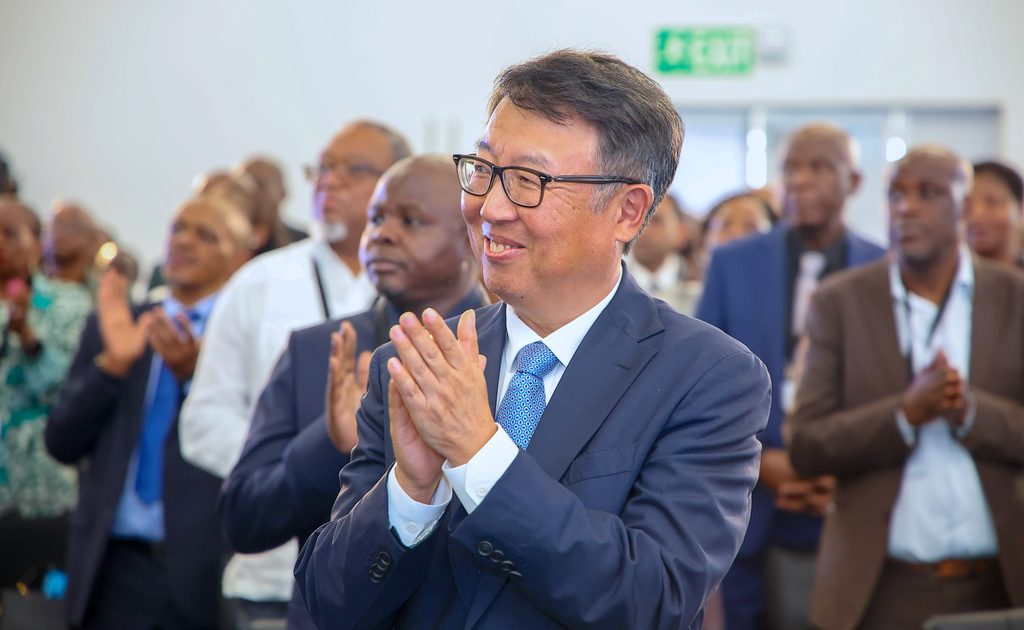
Wu encouraged Limpopo businesses producing competitive, high-quality goods to use established Chinese trade platforms to expand their exports.
He specifically highlighted the China International Import Expo, scheduled to take place in Shanghai the following month, and the China-Africa Economic and Trade Expo as opportunities for provincial producers to connect with buyers and explore new markets.
He also announced that the Chinese Embassy, together with the Department of Trade, Industry and Competition (DTIC) and SARS, would host a briefing reception on China’s zero-tariff treatment for African countries in Johannesburg on Thursday, 22 October 2026.
He invited South African business representatives, particularly companies and agricultural producers from Limpopo, to participate and learn more about the opportunities offered by the policy.
The announcement provides a practical next step for businesses seeking to understand the policy’s benefits and identify export opportunities, although individual products’ market access, regulatory requirements and applicable customs procedures would still need to be established.
Wu said the China-South Africa strategic cooperative partnership had continued to deepen under the leadership of President Xi Jinping and President Cyril Ramaphosa.
He also pointed to the ninth session of the China-South Africa Bi-National Commission, co-chaired earlier this year in March by Deputy President Paul Mashatile and Chinese Vice-President Han Zheng, as an important platform for advancing bilateral cooperation.
As Limpopo seeks to translate investment pledges into productive projects, the Ambassador’s message was that closer partnerships could help connect the province’s mineral and agricultural resources with Chinese capital, technology and consumer demand.He said both countries had reason to anticipate a stronger future for economic and trade cooperation, with the potential to generate more tangible benefits for their people.
