

‘We Will Not Recover Everyone, But We Will Bring Home All That We Possibly Can’
By Frans Sello waga Machate I Pretoria, South Africa
PRETORIA — As the South African government launches the most ambitious phase yet of its Exile Repatriation Programme, officials have painted a stark picture of the challenges facing recovery teams in Angola; from minefields and unmarked graves to decades of environmental change that have reshaped the landscape beyond recognition.
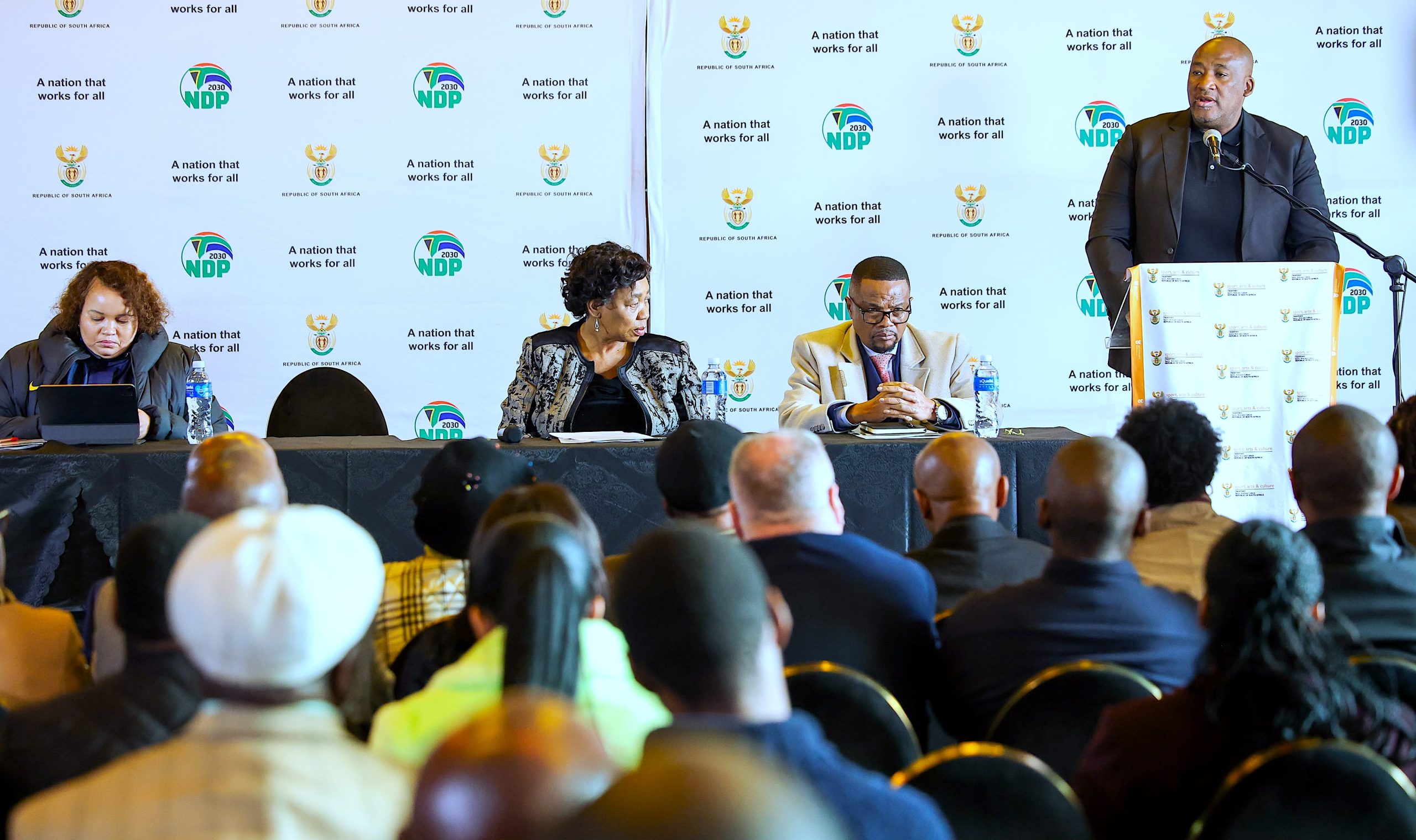
Minister of Sport, Arts and Culture Gayton McKenzie, speaking at a media briefing at Freedom Park today, acknowledged the immense difficulties ahead while reaffirming government’s commitment to bringing home as many fallen heroes as possible.
“In Angola, we have identified more than 400 graves for possible recovery, across Luanda and the northern, eastern and southern provinces. The conditions are among the most difficult of any recovery operation we have attempted,” McKenzie said.
“Live landmines remain in several of the regions concerned. Many burials were wartime mass burials, made without names and without records. Others are informal; village cemeteries, bush burials, burials where people fell, now heavily overgrown and requiring clearance before any work can begin. Road access is poor, and in places seasonal,” he said.
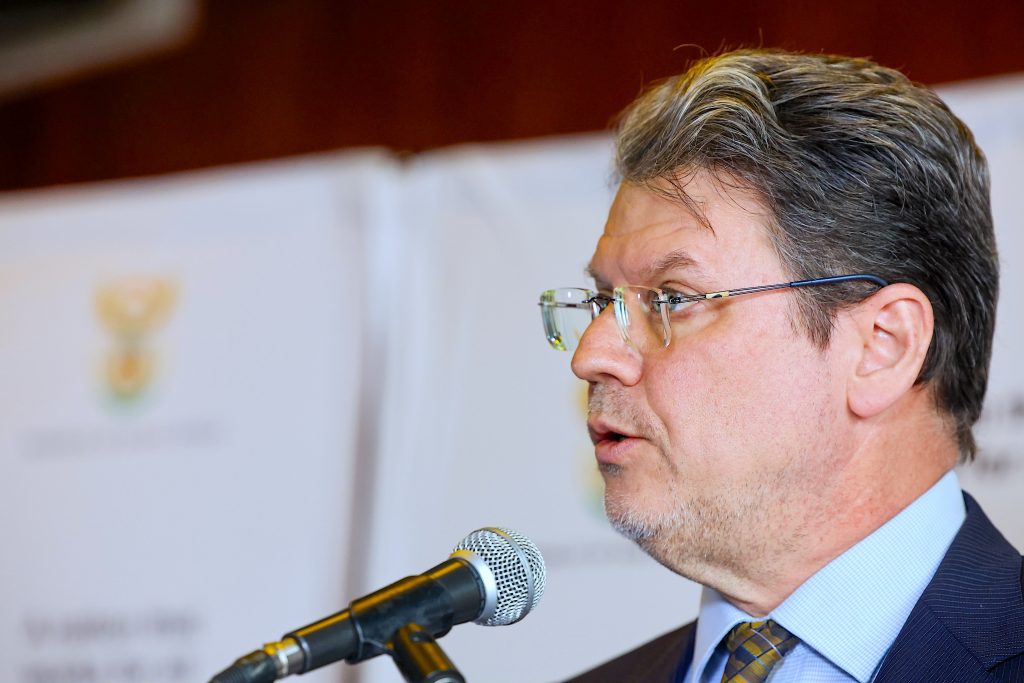
Deputy Minister of Justice and Constitutional Development Andries Nel provided a detailed breakdown of the operational realities. He explained that burial conditions in Angola are more varied and complex than those encountered in some of the earlier country projects. Sites include municipal and village cemeteries, former ANC training camps, battle sites and informal field graves.
The recovery process faces several practical difficulties: some municipal graves are recycled at five-year intervals; burial records are limited or unavailable in certain areas; former training camps have become overgrown and burial areas are no longer visible without extensive bush clearing; some camps and burial areas were mined and will require demining before grave mapping or excavation can take place; and in certain cases, graves were concealed to prevent interference by hostile forces.
“These factors mean that it is unlikely that all those who died in Angola will be recovered. Current assessments indicate that between 30 and 50 per cent of the deceased may be recoverable,” Nel said.
“Symbolic and spiritual repatriation will therefore remain an important component of the Angola project for families whose relatives cannot be physically located or identified,” he added.
Minister of Defence and Military Veterans Angie Motshekga emphasized the importance of public understanding of the complexities involved. “While there is strong commitment from all partners, it is important that the public understands the realities of this work. The recovery and identification of remains after several decades is an extremely complex process,” she said.
Teams operating in Angola continue to face significant challenges, including mine-affected areas that remain dangerous and difficult to access; unmarked burial locations; limited historical records; changes to landscapes over many years; and the deterioration of remains caused by environmental conditions.
Despite these challenges, significant progress has already been made. A preliminary mission to Angola was undertaken in 2025 to conduct grave mapping, during which the Technical Team identified 89 potential graves for excavation. This is an initial figure and does not include all possible burials at former ANC camps.
Former camps in parts of the Eastern and Northern Fronts are expected to be addressed in 2027 because bush clearance and demining must first be completed. Subject to approvals by the Angolan authorities, the Technical Team is scheduled to undertake excavations and exhumations during September or October 2026. The planned sites include three cemeteries in Luanda; Malanje town, Quela village and a field site in Cacuso in the Eastern Front; as well as Caxito Camp and eight graves at the entrance to Pango in the Northern Front.
Nel explained that identification will rest on forensic science. “DNA analysis will be used to confirm identity unless reliable identification can be established through other evidence. Where there is insufficient certainty about the nationality of remains, DNA samples may be taken without removing the remains at that stage,” he said.
“Particular care must be exercised in municipal cemeteries to ensure that Angolan remains are not mistakenly exhumed or repatriated. Repatriation will take place only after South African status and, wherever possible, individual identity have been confirmed,” he added.
The Missing Persons Task Team, established within the National Prosecuting Authority, has already recovered the remains of more than 230 people in cases connected to apartheid-era political conflict. The Exile Repatriation Programme has also resulted in the recovery of the remains of 49 people from Zambia and Zimbabwe.
The Truth and Reconciliation Commission Unit within the Department of Justice and Constitutional Development supports the implementation of these recommendations by coordinating family liaison, mobilization, support, official handover processes and reburials.
Preparatory work is also being conducted in South Africa. The TRC Unit and the Missing Persons Task Team are tracing affected families and collecting DNA samples from appropriate relatives. DNA reference samples will be essential, because identification in many Angola cases will depend heavily on comparison with biological relatives.
The TRC Unit is engaging families, explaining the process, assisting with travel documentation and coordinating with provinces, municipalities and other institutions. Family representatives will travel in groups to Angola to undertake pre-exhumation visits and rituals. The Viana Transit Camp has been identified as an important location for these visits, because MK members passed through it during their time in Angola.
McKenzie stressed that government will ensure that repatriation is conducted with dignity, respect and full consultation with affected families. Where remains cannot be found, government remains committed to working with families to facilitate appropriate spiritual repatriation processes.
“Our objective is not only to recover remains where possible, but also to provide healing, acknowledgement and closure,” Motshekga said.
The Umkhonto we Sizwe Liberation War Veterans (MKLWV), in a statement, said the repatriations “expose the people of South Africa to our true history and to the depth of sacrifice made by our freedom fighters. We believe the process will instil in our youth the knowledge of how this Freedom was attained, and this might deepen their pride and patriotism”.
McKenzie concluded with a direct message to the families who have waited decades for answers. “To the families; we know that some of you have been knocking on doors since before this democracy existed. We know that some of you have been told before that help was coming, and it did not come. So come forward now. Apply, and help us find them,” he said.
“Our heroes and heroines left this country to secure a freedom they did not live to see. The very least this nation owes them is a grave their families can visit,” he said.
